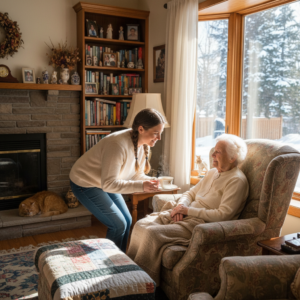

Retirement Homes & Assisted Living in Vancouver: Your Complete Guide
If you’re exploring retirement homes in Vancouver or looking into assisted living in Vancouver for yourself or a loved one, you’re not alone. Vancouver is one of the most popular cities in Canada for seniors — and for good reason. The mild climate, world-class healthcare, and vibrant neighbourhoods make it a genuinely appealing place to age well.
But let’s be honest: the process of finding the right care community can feel overwhelming. There are dozens of options, waitlists to navigate, costs that vary wildly, and licensing rules that aren’t always straightforward. This guide is here to cut through the noise and give you a clear picture of what’s actually available, what it costs, and how to make a confident decision.
Understanding the Difference: Retirement Homes vs. Assisted Living
Before diving into Vancouver-specific details, it helps to understand what these terms actually mean — because they’re used interchangeably more often than they should be.
Retirement homes (sometimes called independent living residences) are designed for seniors who are largely self-sufficient but want the convenience of meals, housekeeping, social activities, and a built-in community. Think of it as downsizing into a place where someone else handles the day-to-day logistics.
Assisted living, on the other hand, provides a higher level of support. Residents typically need help with daily activities like bathing, dressing, medication management, or mobility. Staff are available around the clock, and care plans are tailored to each person’s needs.
Many Vancouver communities offer both under one roof, which can be a real advantage — your loved one can transition from independent living to assisted care without having to move to a completely new facility. For a deeper comparison that includes long-term care, take a look at our guide on retirement homes vs. nursing homes vs. long-term care.
What Makes Vancouver Unique for Senior Living
Vancouver isn’t just another Canadian city when it comes to senior care. A few things set it apart:
- Mild winters — Seniors who struggle with icy sidewalks and bitter cold elsewhere in Canada find Vancouver’s climate far more manageable. That matters more than people realize when it comes to staying active and independent.
- Dense healthcare infrastructure — The Vancouver Coastal Health authority oversees home and community care across the city and coordinates publicly funded services, including subsidized assisted living placements.
- Walkable, transit-friendly neighbourhoods — Many retirement communities are in areas where residents (and visiting family) can easily get around without a car.
- Cultural diversity — Vancouver has senior living communities that cater to Chinese, South Asian, Japanese, and other cultural communities, which can make a real difference in comfort and quality of life.
Vancouver Neighbourhoods Popular for Senior Living
Location matters — a lot. Here’s a look at the neighbourhoods where you’ll find the most retirement and assisted living options in Vancouver:
Kerrisdale
A quiet, tree-lined neighbourhood on the west side that’s long been a favourite for seniors. Kerrisdale has a charming village feel with independent shops, cafes, and easy access to parks. Several well-established retirement residences are located here, and the area feels safe and unhurried — exactly what many families are looking for.
Kitsilano
Kits offers a more active, outdoorsy vibe. It’s close to beaches, community centres, and some of the best walking paths in the city. A handful of boutique retirement communities have opened here in recent years, appealing to seniors who want a livelier atmosphere.
West End
Downtown-adjacent and incredibly walkable, the West End is ideal for seniors who want to stay close to the action — restaurants, Stanley Park, the seawall, and cultural venues are all within reach. There are both high-rise retirement residences and smaller assisted living homes in this area.
East Vancouver
East Van tends to offer more affordable options compared to the west side. The neighbourhoods around Commercial Drive and Renfrew are well-served by transit, and you’ll find a mix of larger facilities and smaller, family-run care homes. It’s also where many culturally specific residences are located.
Exploring options across British Columbia? Our province page lists communities in every region, from Victoria to Kelowna and beyond.
How Licensing Works in BC
This is one area where British Columbia does things a bit differently. Senior living facilities in the province are regulated under the Community Care and Assisted Living Act (CCALA), and the specifics depend on the type of care being provided:
- Assisted living residences must be registered with the Assisted Living Registrar. They’re required to meet standards for staffing, safety, and the rights of residents.
- Residential care facilities (what most people call nursing homes) require a licence from their regional health authority — in Vancouver’s case, that’s Vancouver Coastal Health.
- Independent retirement homes that don’t provide personal care services may not require registration, but reputable ones voluntarily meet industry standards.
When you’re evaluating a community, always ask whether they’re registered or licensed and request their most recent inspection report. This isn’t being difficult — it’s being diligent.
What Does It Cost? A Realistic Breakdown
Let’s talk numbers, because this is usually the first question families have — and the answer can be a bit of a shock.
In Vancouver, you can expect to pay roughly:
- Independent retirement living: $3,500 to $5,500 per month
- Assisted living (private pay): $5,000 to $8,000+ per month
- Subsidized assisted living (through Vancouver Coastal Health): Based on income, typically 70% of after-tax income
These ranges are wide because costs depend heavily on the neighbourhood, the size of the suite, the level of care included, and whether meals and services are bundled or a la carte. A studio in East Van will cost significantly less than a one-bedroom in Kerrisdale.
It’s also worth noting that Vancouver is one of the more expensive cities in Canada for senior care. If budget is a major concern, it may be worth comparing costs in nearby cities like Burnaby, New Westminster, or Surrey. For a broader look at pricing across the country, check out our article on senior home care costs in Canada.
Are There Government Subsidies?
Yes — and this is important. BC offers subsidized assisted living for seniors who meet specific care and financial criteria. The process starts with a care needs assessment through your local Home and Community Care office (part of Vancouver Coastal Health in this area). If approved, you’re placed on a waitlist for a subsidized bed, and your monthly rate is income-based rather than market-rate.
The waitlists can be long — sometimes several months — so it’s worth starting the process early, even if you’re not sure you’ll need it right away.
How to Start Your Search
Here’s a practical step-by-step approach that actually works:
- Clarify the level of care needed. Is your loved one mostly independent, or do they need daily assistance? This determines whether you’re looking at retirement homes or assisted living. Not sure? Our comparison of home care vs. nursing homes can help you think through the options.
- Set a realistic budget. Factor in not just the base rent but extras like medication management, laundry, outings, and any care top-ups.
- Search and compare providers. Use AgePlaceHub to browse retirement homes and assisted living communities in Vancouver. You can filter by neighbourhood, care type, and amenities to build a shortlist quickly.
- Book tours. Visit at least three communities in person. Go at different times of day. Talk to residents and staff. Trust your gut — the “feel” of a place matters.
- Ask the hard questions. What happens if care needs increase? What’s the staffing ratio? What are the move-out policies? A good community will welcome these questions, not dodge them.
Frequently Asked Questions
How much does assisted living cost in Vancouver?
Private-pay assisted living in Vancouver typically ranges from $5,000 to $8,000+ per month, depending on the location, suite size, and level of care. Subsidized assisted living through Vancouver Coastal Health is income-based, usually calculated at 70% of after-tax income. Costs tend to be higher on the west side of the city (Kerrisdale, Kitsilano) and somewhat lower in East Vancouver and surrounding municipalities.
What is the difference between a retirement home and assisted living in Vancouver?
A retirement home is designed for seniors who are mostly independent and want convenience — meals, housekeeping, and social activities — without needing hands-on personal care. Assisted living provides a higher level of daily support, including help with bathing, dressing, medication management, and mobility. In BC, assisted living residences must be registered under the Community Care and Assisted Living Act, while independent retirement homes may not require formal registration.
Are there government-subsidized assisted living options in Vancouver?
Yes. British Columbia offers subsidized assisted living for eligible seniors through the regional health authorities. In Vancouver, this is managed by Vancouver Coastal Health. To qualify, you need a care needs assessment from your local Home and Community Care office. If approved, you’ll be placed on a waitlist, and your monthly cost will be income-based. Wait times vary but can be several months, so starting the process early is recommended.
How do I find the best retirement home in Vancouver for my parent?
Start by identifying the level of care your parent needs and setting a realistic budget. Then use a directory like AgePlaceHub to search and compare retirement homes and assisted living communities across Vancouver’s neighbourhoods. Visit your top choices in person — ideally more than once and at different times of day. Ask about staffing ratios, what happens if care needs change, meal quality, and resident satisfaction. Speaking with current residents and their families can give you the most honest picture of what daily life is really like.