Your Parent Fell. Or Almost Fell. Here’s What You Do Now.
You got the call. Your mom slipped getting out of the bathtub. Or your dad tripped on the carpet edge and caught himself on the counter — barely. Maybe nobody fell yet, but you watched your parent grab the wall just to walk to the kitchen, and something in your gut said: this is going to happen.
You’re right to be worried. Every year, 20-30% of Canadian seniors over 65 experience a fall, according to the Public Health Agency of Canada. Falls are the #1 cause of injury-related hospitalizations for older adults in this country — ahead of car accidents, ahead of everything else. And once a senior falls and breaks a hip, over 50% never return to their previous level of independence.
But here’s the thing most people don’t realize: the majority of falls are preventable. Not with expensive equipment or a medical degree. With a weekend, a checklist, and a few hundred dollars in modifications. This guide gives you exactly that.
Why Seniors Fall (It’s Not Just “Getting Old”)
If your parent fell, the first instinct is to blame age. But “old age” isn’t a diagnosis, and it’s not the real reason people fall. Falls almost always have specific, fixable causes. Understanding them is the first step to actually preventing the next one.
Medications
This is the one nobody talks about first, but it should be. Sedatives, blood pressure medications, antidepressants, sleep aids, and some pain medications all increase fall risk. If your parent takes four or more prescription drugs — which is common — the interactions between them can cause dizziness, drowsiness, or sudden drops in blood pressure when they stand up. That’s called orthostatic hypotension, and it’s behind more falls than loose rugs.
Vision Changes
Cataracts, glaucoma, macular degeneration — all of these reduce depth perception and peripheral vision. Your parent might not see the step down into the living room, or might misjudge the distance to a chair. If they haven’t had an eye exam in over a year, that’s a problem you can fix.
Muscle Weakness and Balance
After age 65, people lose 3-5% of their muscle mass per decade if they’re not actively working against it. Weak legs and poor balance make every step a gamble. The good news: strength and mobility exercises can reverse much of this, even into a person’s 80s and 90s.
Dehydration and Poor Nutrition
Seniors often don’t feel thirsty even when they’re dehydrated. Dehydration causes lightheadedness and confusion. Low vitamin D (extremely common in Canadian seniors, especially in winter) weakens bones and muscles. Low blood sugar from skipping meals causes dizziness.
The Home Itself
Loose rugs. Poor lighting. No grab bars. Clutter in walkways. Slippery floors. Steps without handrails. Most Canadian homes were not designed for aging, and the hazards are so familiar that your parent doesn’t even see them anymore. You will.
The Room-by-Room Home Safety Checklist
Print this out. Walk through your parent’s home this weekend. Check every item. The ones you can’t check off are your to-do list.
Bathroom
The bathroom is where the most serious falls happen. Wet floors, hard surfaces, and the physical demands of getting in and out of a tub make this the highest-risk room in the house.
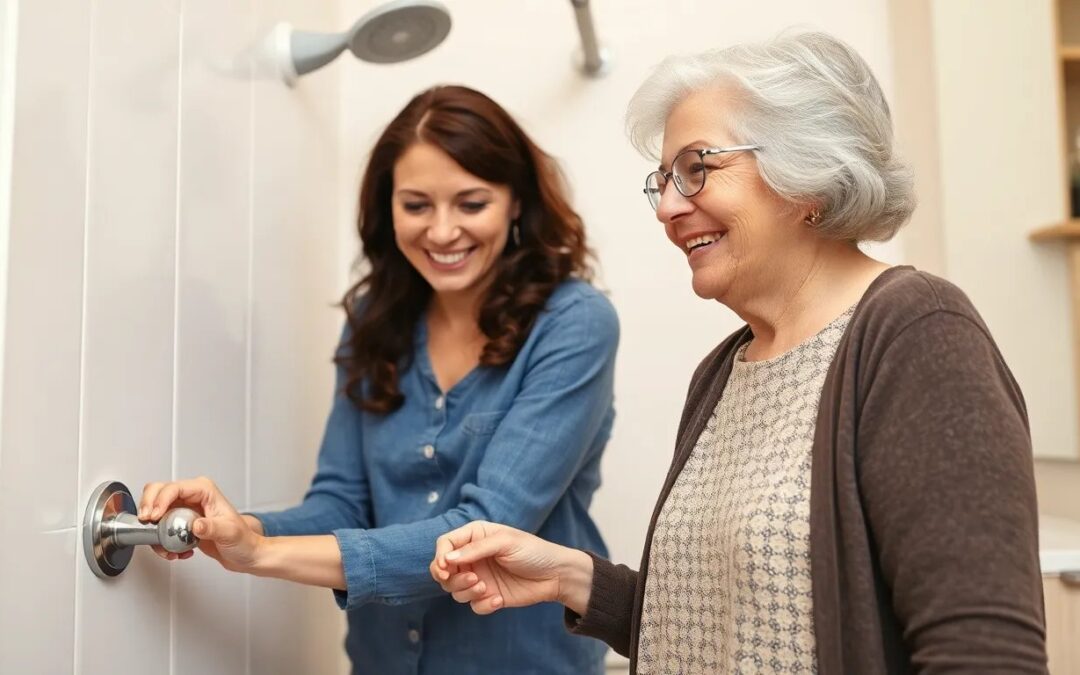
- Grab bars beside the toilet and inside the shower/tub. Not towel racks — actual weight-bearing grab bars screwed into studs. Cost: $50-$150 per bar installed. This is the single most impactful modification you can make.
- Non-slip mat or adhesive strips inside the tub or shower. Cost: $15-$40.
- Non-slip bath mat on the floor outside the tub. The kind with a rubber backing that doesn’t slide.
- Raised toilet seat. If your parent struggles to sit down or stand up from the toilet, a raised seat with handles makes it dramatically easier. Cost: $40-$120.
- Shower chair or transfer bench. Standing in a wet shower is risky. A shower chair eliminates that risk entirely. Cost: $50-$150.
- Handheld showerhead. Lets your parent shower while seated. Cost: $30-$80.
- Walk-in shower conversion. If the budget allows, replacing a tub with a walk-in shower removes the biggest hazard in the room. Cost: $3,000-$8,000 depending on the bathroom layout. Check provincial programs below — some cover part of this.
- Night light. A motion-activated night light so your parent doesn’t fumble for a switch at 2 AM.
Bedroom
Most nighttime falls happen between the bed and the bathroom. The path needs to be clear, lit, and short.
- Motion-activated night lights along the path from bed to bathroom. Cost: $10-$25 each.
- Clear the floor. No shoes, no books, no charging cables between the bed and the door.
- Bed height. When your parent sits on the edge of the bed, their feet should be flat on the floor and their knees at roughly 90 degrees. Too high or too low makes getting in and out harder. Bed risers or a lower frame can fix this. Cost: $20-$50 for risers.
- Phone or medical alert device within reach from the bed. If they fall at night, they need to call for help without getting up.
- Firm mattress edge. A mattress that sags at the edges makes it harder to push up to standing. If the mattress is more than 8 years old, it might be part of the problem.
- Light switch within reach from bed. If it’s not, a touch lamp or voice-activated smart light on the nightstand solves it.
Kitchen
Seniors spend a lot of time in the kitchen, and the combination of hard floors, water, and reaching/bending creates real risk.
- Anti-fatigue mat in front of the sink and stove. Reduces strain from standing and provides cushioning if they do fall. Cost: $25-$60.
- Move everyday items to counter or lower shelf height. If your parent is climbing on a step stool to reach the cereal, that’s a fall waiting to happen. Rearrange so nothing used daily is above shoulder height or below knee height.
- Clean up spills immediately. This sounds obvious, but if your parent has mobility issues, they might leave a spill because bending to clean it is harder than stepping around it. Keep paper towels within arm’s reach.
- Non-slip flooring. If the kitchen has tile, make sure it’s not the glossy kind that turns into an ice rink when wet. Textured vinyl is safer. Anti-slip floor treatments exist too. Cost: $100-$300 for treatment.
- Sturdy step stool with handrails if reaching is unavoidable. Not a chair. Not a stack of books. A proper step stool with a handle. Cost: $50-$100.
Stairs
If your parent’s home has stairs, this section is critical. Stair falls are responsible for some of the most serious injuries in seniors — broken hips, head injuries, spinal fractures.
- Handrails on BOTH sides. Most staircases only have one. Adding a second handrail costs $100-$300 installed and makes a massive difference, especially going down.
- Non-slip treads or carpet runners on every step. Bare wood or tile stairs are dangerous. Cost: $30-$80 for a set of treads.
- Good lighting at the top AND bottom of the staircase. If there’s a shadow or dark spot midway, add a light. Motion-activated is best.
- Nothing stored on stairs. No laundry baskets “waiting to go up.” No shoes on the bottom step. Nothing.
- Stair lift. If your parent has significant mobility issues and the home has multiple floors, a stair lift may be the safest option. Cost: $3,000-$8,000 for a straight staircase, $8,000-$15,000 for curved. Used options are sometimes available for less.
- Gate at the top of the stairs if your parent has dementia or tends to wander at night.
Living Areas
- Remove or secure ALL loose rugs. This is non-negotiable. Throw rugs are one of the most common trip hazards in Canadian homes. If your parent won’t part with a favourite rug, secure it with double-sided carpet tape. But honestly — remove them.
- Manage cords and cables. TV cables, lamp cords, phone chargers — anything running across a walkway needs to be taped down, rerouted, or eliminated. Cost: $10-$20 for cord covers.
- Furniture arrangement. There should be a clear, wide path through every room. If your parent uses a walker, they need at least 36 inches of clearance. Push furniture to walls where possible.
- Stable furniture only. If a chair wobbles, fix it or replace it. If an end table tips when leaned on, move it. Seniors instinctively grab furniture for balance — it needs to hold their weight.
- Good lighting everywhere. No dark corners, no dim hallways. Replace 60-watt bulbs with 100-watt equivalents (LED, so they don’t generate heat). Add lamps where overhead lighting doesn’t reach.
Exterior: Porch, Steps, Walkways
Canadian winters make outdoor falls a near-certainty if the exterior isn’t prepared. This is especially critical in provinces like Ontario, Alberta, and the Prairies where ice is a five-month reality.
- Handrails on ALL exterior steps. Both sides if the steps are wide enough. Secure them so they don’t wobble.
- Motion-activated porch lights. Your parent shouldn’t be stepping outside into darkness. Cost: $30-$80.
- Non-slip treads on exterior steps. Especially important in wet/icy conditions. Cost: $40-$100.
- Ice management plan. If your parent lives alone, who’s salting the walkway? Who’s shovelling? Set up a contract with a local snow removal service or organize neighbours/family to cover it. A bucket of salt or sand by the door is the minimum.
- Ramp. If steps are becoming dangerous, a ramp may be the answer. Cost: $2,000-$8,000 for a permanent ramp depending on length and materials. Portable ramps start around $200-$500.
- Smooth, even walkways. Cracked concrete, heaved sidewalk sections, and uneven flagstones are trip hazards. Repair or clearly mark them.
If the home needs significant modifications, check out AgePlaceHub’s home modification services to find qualified contractors in your area who specialize in accessibility work.
The Medication Review Your Parent Needs
This is one of the most effective fall prevention steps, and it’s free. In most Canadian provinces, pharmacists can perform a comprehensive medication review at no cost. In Ontario, it’s called a MedsCheck — available annually for anyone taking three or more prescription medications. Alberta, BC, and other provinces have similar programs.
Here’s what a medication review catches:
- Drugs that cause dizziness or drowsiness — sedatives, certain blood pressure meds, antihistamines, some antidepressants
- Drug interactions that increase fall risk when combined
- Medications that can be reduced or eliminated — your parent might be on something they no longer need
- Timing issues — taking a blood pressure medication at night instead of morning can prevent morning dizziness
Ask your parent’s pharmacist about this directly. Bring a complete list of everything they take — prescriptions, over-the-counter medications, vitamins, and supplements. The pharmacist will review the whole picture and send recommendations to the family doctor.
Vision and Hearing: Two Appointments That Prevent Falls
Poor vision is a direct fall risk factor, and poor hearing makes it worse (hearing affects spatial awareness and balance more than most people realize).
Vision: Your parent should have an annual eye exam. In Ontario, OHIP covers eye exams for seniors 65 and older. BC, Alberta, and most other provinces cover annual exams for seniors through their provincial health plans. If your parent has cataracts, glaucoma, or macular degeneration, they may need more frequent checks.
Hearing: Untreated hearing loss is linked to a threefold increase in fall risk, according to research from Johns Hopkins. If your parent has been saying “what?” a lot, or turning the TV up louder every month, get them tested. Many provinces cover basic hearing assessments, and the home care support guide covers how to access these services.
Footwear: The Fix That Costs $40
This is the cheapest intervention on this list, and one of the most effective. Look at what your parent wears around the house right now. If the answer is socks, slippers with no grip, or bare feet on hardwood — that’s a fall hazard every single step they take.
What they need:
- Indoor shoes or slippers with non-slip rubber soles
- A proper fit — too loose and they’ll catch on carpet, too tight and they’ll shuffle
- Low heel, closed back. No flip-flops, no backless slides
- For outdoors in winter: boots with good tread and consider clip-on ice grippers ($15-$30)
Brands like Glerups (wool with rubber sole) or Orthofeet work well. Even a basic pair of non-slip indoor shoes from a pharmacy will be a major improvement over socks on hardwood.
Technology That Helps Prevent Falls
There’s a growing range of tech designed to keep seniors safer at home. Some of it is genuinely useful. Some is expensive overkill. Here’s what’s worth considering.
Medical Alert Systems
The classic “I’ve fallen and I can’t get up” device. Modern versions are actually quite good. Your parent wears a pendant or wristband with a button. They press it, and an operator connects — either through a home base unit or directly through the device if it has cellular.
- Home-based systems (works within range of a base unit): $25-$40/month
- Mobile/GPS systems (works anywhere, has fall detection): $40-$65/month
- Automatic fall detection is available on higher-end models — the device detects a sudden impact and calls for help even if your parent can’t press the button
Canadian providers include Lifeline (Philips), MedicAlert, and Telus Health. Some home care plans include monitoring as part of a package.
Smart Home Sensors
Motion sensors in hallways and bathrooms can alert you if your parent hasn’t moved in an unusual amount of time, or if they’re up wandering at 3 AM. Basic systems start around $100-$300 for setup plus $15-$30/month.
Smart Lights
Voice-activated or motion-activated smart lights eliminate fumbling for switches in the dark. A smart bulb costs $15-$30 and can be controlled by voice (“Alexa, turn on the hallway light”) or triggered by motion sensors.
Video Monitoring
This is a sensitive one. Indoor cameras let you check in remotely, but they also raise privacy concerns. Have an honest conversation with your parent before installing cameras. Many families compromise: cameras in common areas only, no cameras in bedrooms or bathrooms. Indoor camera systems run $50-$200 per camera plus optional cloud storage fees.
Government Programs That Help Pay for Modifications
Home modifications aren’t cheap. But depending on your parent’s province and financial situation, there’s likely a program that covers some of the cost. Here are the major ones.
Federal
- Home Accessibility Tax Credit (HATC): A non-refundable tax credit for renovation expenses that improve accessibility. Covers up to $20,000 in eligible expenses per year (2026). The credit is 15%, meaning up to $3,000 back on your tax return. Eligible expenses include grab bars, ramps, walk-in showers, stair lifts, and widened doorways.
- Canada Mortgage and Housing Corporation (CMHC): The Residential Rehabilitation Assistance Program provides forgivable loans for accessibility modifications for low-income seniors. Availability varies by region — check cmhc-schl.gc.ca.
Ontario
- March of Dimes Canada — Home & Vehicle Modification Program: Provides funding for home modifications that improve accessibility. Eligibility is based on a physical disability and financial need. Covers ramps, bathroom modifications, stair lifts, and more. Contact: 1-800-263-3463.
- Ontario Renovates: Helps low-to-moderate income homeowners with accessibility and repair costs. Forgivable loans up to $25,000. Administered through local housing service managers.
- Assistive Devices Program (ADP): Covers up to 75% of the cost of certain mobility devices and home oxygen equipment. Includes walkers, wheelchairs, and some bathroom equipment.
British Columbia
- Home Adaptations for Independence (HAFI): Provides financial assistance of up to $20,000 as a forgivable loan for eligible home adaptations. For low-income seniors and people with disabilities. Administered through BC Housing.
- BC Equipment & Assistive Technology Initiative: Helps with costs of assistive devices and minor home modifications.
Alberta
- Special Needs Assistance for Seniors: A one-time grant of up to $5,000 per applicant to help with appliances, home repairs, and some accessibility modifications. Eligibility is income-based.
- Alberta Aids to Daily Living (AADL): Covers up to 75% of the cost of approved medical equipment and supplies, including some bathroom safety equipment.
Other Provinces
- Quebec: The Programme d’adaptation de domicile (PAD) covers home modifications for people with disabilities, including seniors. Amounts vary based on assessment.
- Manitoba: The Aging in Place program through Manitoba Housing provides grants for accessibility modifications.
- Nova Scotia: The Senior Citizens Assistance Program provides grants up to $6,500 for home repairs and modifications for low-income seniors.
Start with your parent’s province. Call 211 (available in most provinces) for a quick referral to the right program. Many families don’t apply because they assume they won’t qualify — but income thresholds are often higher than expected.
When Falls Mean It’s Time for More Help
Sometimes the checklist isn’t enough. If your parent is falling repeatedly despite modifications, or if they have advancing dementia, severe mobility limitations, or they’re isolated and alone for long stretches, it may be time to bring in more support.
Home care is often the first step. A personal support worker visiting a few hours a day can help with the highest-risk activities — bathing, transfers, meal prep. This keeps your parent in their home while dramatically reducing fall risk. Read our complete guide to home care in Canada for options and costs.
If the home itself is the problem — too many stairs, a layout that can’t be modified enough, no one nearby to help in an emergency — then assisted living or a retirement home may actually be safer. That’s not a failure. A purpose-built environment with grab bars in every bathroom, flat floors, emergency pull cords, and staff on site 24/7 eliminates most of the hazards you’ve been trying to retrofit around.
Use AgePlaceHub to compare retirement homes and home care providers across Canada. You can filter by city, services, and care level to find what fits your parent’s situation.
Frequently Asked Questions
What is the most common cause of falls in seniors?
There’s rarely a single cause. Most falls result from a combination of factors: medication side effects, muscle weakness, poor balance, vision problems, and home hazards. The Public Health Agency of Canada identifies these as the top modifiable risk factors. The most impactful single intervention is usually a medication review combined with removing trip hazards from the home.
How much does it cost to make a home safe for a senior?
Basic modifications — grab bars, non-slip mats, night lights, handrails, and decluttering — can be done for $300-$800. More significant changes like a walk-in shower conversion ($3,000-$8,000), stair lift ($3,000-$15,000), or ramp ($2,000-$8,000) cost more, but government programs in every province can offset some of these expenses.
Are balance exercises effective for preventing falls?
Yes. Exercise is one of the most evidence-backed fall prevention strategies. Programs that include balance training, strength exercises, and flexibility work reduce fall risk by 23-40% according to multiple Canadian and international studies. Tai chi, in particular, has strong evidence for fall reduction in seniors. Even simple exercises done at home three times a week make a measurable difference.
Should I get my parent a medical alert system?
If your parent lives alone or spends significant time alone, yes. A medical alert system won’t prevent a fall, but it ensures help arrives quickly after one. Speed of response after a fall directly affects outcomes — lying on the floor for hours dramatically increases the risk of complications. Systems cost $25-$65/month, which is a small price for that peace of mind.
What should I do immediately after my parent falls?
First, don’t rush to pull them up. Ask if they’re in pain. Check for obvious injuries — bleeding, limbs at an unnatural angle, confusion. If there’s any chance of a head injury, hip fracture, or spinal injury, call 911 and don’t move them. If they seem okay and want to get up, help them roll to their side, get to their knees, then use a sturdy chair to push up. After any fall, call their doctor within 24 hours — even if everything seems fine. Some injuries (especially head injuries) don’t show symptoms immediately.
Start This Weekend
You don’t need to do everything on this list at once. But you do need to start. This weekend, walk through your parent’s home with the room-by-room checklist above. Fix the free stuff immediately — move the throw rugs, rearrange the furniture, clear the pathways, check the lighting. Order grab bars and non-slip mats. Book the pharmacy medication review.
The bigger modifications — shower conversions, stair lifts, ramps — can come next. Apply for provincial programs now, because some have waitlists.
Every fall prevented is a hospital visit avoided, a surgery that doesn’t happen, and months of recovery your parent doesn’t have to endure. The best time to fall-proof a home is before the fall. The second-best time is today.
Find Fall Prevention Help Near You
AgePlaceHub connects you with home modification specialists, home care providers, and senior care services across Canada. Whether you need someone to install grab bars, a home care worker to help with daily activities, or you’re exploring retirement homes — start your search here:
- Senior care services in Toronto
- Senior care services in Vancouver
- Senior care services in Ottawa
- Senior care services in Calgary
- Senior care services in Edmonton