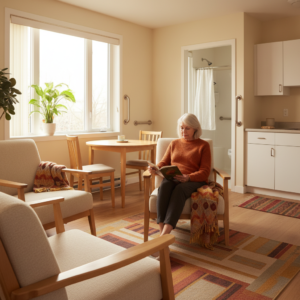

If you’re exploring retirement homes in Ottawa for a parent or loved one, you’re not alone. Thousands of Canadian families face this decision every year, and Ottawa — with its excellent healthcare infrastructure, vibrant neighbourhoods, and strong community support — is one of the best cities in Ontario for senior living. But the sheer number of options can feel overwhelming.
This guide will walk you through everything you need to know: the different types of retirement homes in Ottawa, what they cost, which neighbourhoods stand out for seniors, how to evaluate your options, and what government resources can help with funding. By the end, you’ll have a clear roadmap for finding the right fit for your family.
Types of Retirement Homes in Ottawa
Not all senior homes in Ottawa are the same. Understanding the different categories is the first step toward making the right choice. Here are the four main types you’ll encounter.
Independent Living
Independent living communities are designed for seniors who are generally healthy and active but want to simplify their daily lives. Residents typically live in private apartments or suites and enjoy amenities like communal dining, housekeeping, social activities, and transportation services. No medical care is included in the base package, though many communities can arrange outside services as needs evolve.
Best for: Seniors who are self-sufficient but want a social, maintenance-free lifestyle.
Assisted Living
Assisted living in Ottawa bridges the gap between independent living and full nursing care. Staff members help residents with daily activities such as bathing, dressing, medication management, and mobility. Residents still maintain a degree of independence — they have their own rooms or suites — but trained caregivers are available around the clock.
Best for: Seniors who need regular help with daily tasks but don’t require 24-hour medical supervision.
Memory Care
Memory care units are specialized environments for seniors living with Alzheimer’s disease, dementia, or other cognitive conditions. These facilities feature secured entrances and exits, structured daily routines, and staff trained specifically in dementia care techniques. Programming is designed to reduce agitation and maintain cognitive function as long as possible.
Best for: Seniors with diagnosed cognitive impairments who need a safe, structured environment.
Long-Term Care (Nursing Homes)
Long-term care homes — sometimes called nursing homes — provide the highest level of care. Registered nurses and personal support workers deliver 24-hour medical care, and residents typically have complex health needs that cannot be managed in a retirement home setting. In Ontario, long-term care homes are regulated and partially funded by the provincial government, which means costs work differently than private retirement homes.
Best for: Seniors with significant medical needs requiring round-the-clock nursing care.
How Much Do Retirement Homes in Ottawa Cost?
Cost is often the first question families ask — and the answer depends heavily on the type of care, the residence, and the level of service selected. Here are typical monthly ranges you can expect in the Ottawa area as of 2026.
- Independent living: $2,000 – $4,000 per month
- Assisted living: $3,000 – $5,500 per month
- Memory care: $4,500 – $7,000+ per month
- Long-term care (government-regulated): $1,946 – $2,745 per month for the co-payment (2025–2026 Ontario rates), with the remainder covered by the province
What’s Typically Included
Most retirement homes in Ottawa include a base package covering accommodation, meals (usually two or three per day), housekeeping, laundry services, recreational programming, and basic utilities. However, it’s important to ask what’s not included. Extras like physiotherapy, hairdressing, premium cable, personal care supplies, and higher levels of nursing support often cost additional fees that can add $500 to $1,500 or more per month.
Financial Assistance and Subsidies
Private retirement homes in Ontario are not government-subsidized, which means families cover the full cost. However, there are several programs that can offset expenses — we cover those in detail in the Government Resources section below. Long-term care homes, by contrast, do receive provincial funding, and residents pay a regulated co-payment based on room type (ward, semi-private, or private).
When comparing costs, always request a detailed written breakdown from each residence. Ask specifically about rate increases — many homes raise fees annually by 3% to 5%, and this should factor into your long-term planning.
Top Neighbourhoods for Senior Living in Ottawa
Ottawa is a large, spread-out city, and location matters. Proximity to family, hospitals, transit, and amenities can make a significant difference in quality of life. Here are five neighbourhoods that stand out for senior living.
Westboro
Westboro is one of Ottawa’s most walkable and vibrant neighbourhoods, sitting along the Ottawa River with scenic pathways, independent shops, cafes, and easy access to the Transitway. Several well-regarded retirement residences are located here, and the neighbourhood’s mix of urban convenience and natural beauty makes it a favourite among active seniors. The Ottawa Hospital Civic Campus is a short drive away.
The Glebe
The Glebe is a charming, tree-lined neighbourhood close to downtown Ottawa, the Rideau Canal, and Lansdowne Park. It offers excellent walkability, boutique shopping, and a strong sense of community. Seniors living in The Glebe benefit from proximity to multiple hospitals, extensive public transit, and one of the city’s most engaged neighbourhood associations.
Kanata
For families in Ottawa’s west end, Kanata offers a quieter suburban feel with all essential services nearby. The Queensway Carleton Hospital is located here, and the neighbourhood has a good selection of retirement residences ranging from independent living to full assisted care. Kanata tends to offer slightly lower costs than central Ottawa, making it an attractive option for families watching their budget.
Orleans
Orleans is Ottawa’s largest suburban community in the east end, with a strong francophone population — an important consideration for bilingual seniors who prefer services in French. The neighbourhood has excellent shopping centres, medical clinics, and community centres. The new Confederation Line LRT extension is improving transit access, and several retirement communities serve the area.
Barrhaven
Barrhaven, in Ottawa’s south end, has grown rapidly and now offers a range of senior living options. The neighbourhood is family-oriented with newer infrastructure, parks, and community facilities. While it’s farther from downtown, Barrhaven provides a peaceful setting and is close to the Riverside South developments bringing additional healthcare services to the area.
No matter which neighbourhood you’re considering, you can browse all Ottawa providers on AgePlaceHub to compare what’s available in each area.
How to Choose the Right Retirement Home
Visiting retirement homes can feel like a blur after the second or third tour. Having a structured checklist will help you compare options clearly and make a confident decision. Here are the key factors to evaluate.
Care Level and Flexibility
Does the residence offer the level of care your parent needs today — and can it scale as needs change? A residence that offers a continuum of care (independent through to assisted living or memory care) can save your family from a disruptive move later. Ask specifically what happens if a resident’s health declines — are they asked to leave, or can care be increased on-site?
Staff Qualifications and Ratios
Ask about the staff-to-resident ratio during the day, evening, and overnight. Inquire about staff training, turnover rates, and whether there is a registered nurse on-site at all times. High staff turnover can be a red flag for working conditions and, by extension, quality of care.
Location and Accessibility
Consider proximity to family members, hospitals, pharmacies, and places of worship. Can your parent easily get to medical appointments? Is the building itself accessible — are there ramps, elevators, wide doorways, and grab bars throughout?
Meals and Nutrition
Food quality matters more than many families realize — it directly impacts health, mood, and social engagement. Ask to see sample menus, inquire about dietary accommodations (diabetic, low-sodium, vegetarian, cultural preferences), and if possible, stay for a meal during your tour.
Activities and Social Life
Loneliness and isolation are serious health risks for seniors. Look for residences with robust activity calendars — exercise classes, outings, hobby groups, guest speakers, and intergenerational programming. Ask current residents or their families about the social atmosphere.
Safety and Emergency Protocols
Every retirement home should have clear emergency procedures, including fire safety plans, call-bell systems in every room and bathroom, backup power generators, and protocols for medical emergencies. Ask about fall prevention programs and whether the building has 24-hour security.
Your Evaluation Checklist
- Visit at least three residences before making a decision
- Visit at different times of day — including evenings and weekends
- Talk to current residents and their family members
- Request a trial stay (many Ottawa residences offer one- to two-week trial periods)
- Review the most recent inspection reports (available through Ontario’s Retirement Homes Regulatory Authority)
- Get the full fee schedule in writing, including all potential add-ons
- Read the residency agreement carefully before signing
Government Resources and Financial Help
While private retirement homes in Ontario aren’t subsidized, several government programs can help offset costs or provide support during the transition.
Ontario Health atHome (formerly Home and Community Care)
Ontario Health atHome coordinates home care, community services, and long-term care placement across the province. If your parent needs long-term care (a nursing home), the application process goes through Ontario Health atHome. They also provide in-home care services that may delay the need for a residential move — or supplement care within a retirement residence. Contact the Champlain region office for Ottawa-area services.
Veteran Affairs Canada
Veterans and their surviving spouses may be eligible for the Veterans Independence Program (VIP), which helps cover housekeeping, groundskeeping, personal care, and some health-related expenses. In some cases, veterans can receive financial support for long-term care placement. If your parent served in the Canadian Armed Forces, contact Veterans Affairs Canada to explore eligibility.
Tax Credits and Benefits
Several federal and provincial tax credits can ease the financial burden of senior care:
- Medical Expense Tax Credit (METC): Attendant care costs paid to a retirement home may qualify as eligible medical expenses on your parent’s tax return, or on yours if you’re claiming them as a dependant.
- Disability Tax Credit (DTC): If your parent has a significant and prolonged impairment, the DTC provides a non-refundable tax credit. This can also be transferred to a supporting family member.
- Ontario Senior Homeowners’ Property Tax Grant: Seniors who own their home may be eligible for up to $500 annually, which can help during the transition period before a home is sold.
- Canada Pension Plan (CPP) and Old Age Security (OAS): Ensure your parent is receiving their full entitlements, including the Guaranteed Income Supplement (GIS) if applicable.
A financial advisor or accountant experienced in elder care planning can help you identify all available tax savings and structure payments to maximize benefits.
Retirement Homes Regulatory Authority (RHRA)
The RHRA is Ontario’s regulatory body for retirement homes. Their public register allows you to check any licensed retirement home’s inspection history, complaints, and compliance status. Before committing to any residence, review their RHRA profile — it’s a valuable tool for transparency and peace of mind.
Find Retirement Homes in Ottawa on AgePlaceHub
Searching for the right retirement home takes time, but you don’t have to do it alone. AgePlaceHub is a comprehensive Canadian directory designed to help families find and compare senior care providers across the country.
You can browse all Ottawa providers to see what’s available in your preferred neighbourhood, compare services, and find contact information — all in one place. Whether you’re looking for independent living, assisted living, memory care, or long-term care, our directory covers Ottawa and communities across Ontario.
Looking beyond Ottawa? Explore retirement homes across Canada to compare options in other cities and provinces.
Finding the right retirement home for your parent is one of the most meaningful decisions you’ll make as a family. Take your time, ask the hard questions, and trust your instincts. The right place will feel like home — for your loved one and for you.